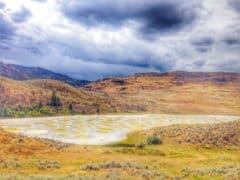
kɬlil̕xʷ Spotted Lake
For centuries, Syilx people have gone to kɬlil̕xʷ to seek healing, whether it be physically or spiritually. It has been shared by the Syilx member communities of the Okanagan Nation Alliance since time immemorial.
Intellectual Property
The Okanagan Nation Alliance (“ONA”) takes all reasonable steps to provide current information. The ONA does not guarantee the accuracy or the completeness of the information or the availability of this website.
In order to successfully engage with indigenous communities, their terms, guided by indigenous principals of respect and protocols, must be honoured and adhered to.
If you do not accept the Terms of Use linked below, please exit this website. Continued use of the ONA website will be deemed acceptance by you of the ONA’s Terms of Use.

For centuries, Syilx people have gone to kɬlil̕xʷ to seek healing, whether it be physically or spiritually. It has been shared by the Syilx member communities of the Okanagan Nation Alliance since time immemorial.

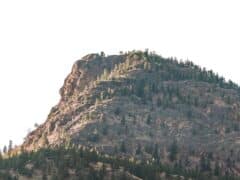
Syilx people used ackɬt’pus as a training ground for young women and men, to encourage them to think about what it is that they can learn from being who they are, and believing in themselves. This place continues to be an important site to the Syilx people today.

In 1876, before colonization and the imposition of the federal Indian Act, the Syilx Okanagan people were a self-sufficient, self-governing people.

From first contact with European settlers, the Syilx Okanagan Nation, like all indigenous nations in Canada, experienced significant impacts from their attempts at colonization.

One Language. One Land. One Culture. One People. In 1846, the Canadian-US border separated the Syilx Okanagan lands, without their...

Indian Residential Schools inflicted deep emotional trauma by separating families, disrupting cultural ties, and damaging self-esteem, leading to cycles of substance abuse and unhealthy family dynamics.